

By Tim Huff
President, TLG
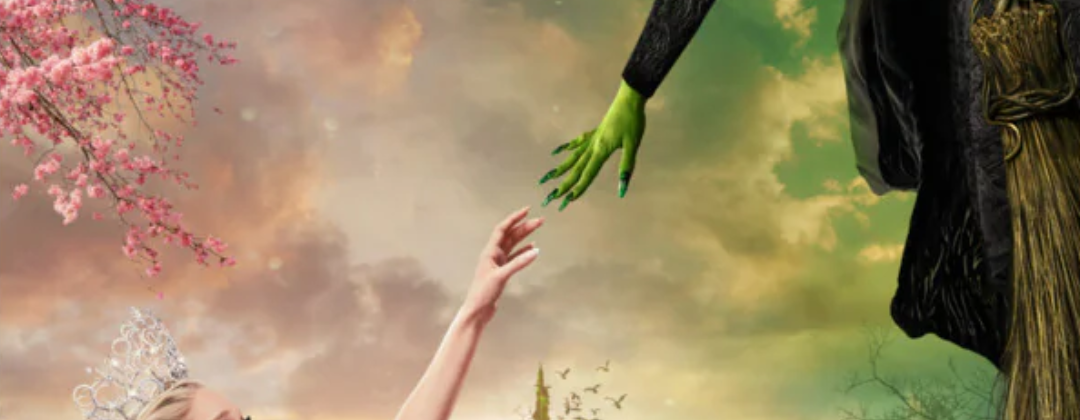
We had a wickedly good time at the SHRM-ATL SOAHR conference last week! I had the honor of sharing the stage with our CEO, Vicki Abelson, Teela Jackson, SVP at Talent Connections, and Polina Zlatev, VP of Talent, Learning, and Culture at Emory Healthcare, to discuss Courageous Leadership Lessons from Wicked.
The energy in the room and on the panel was terrific as the conversation centered on a primary topic: Elphaba and Glinda aren’t just beloved characters, they’re mirrors. And depending on the day, the challenge, or the season of your career, most of us will see ourselves in one of them… sometimes both.
These two witches embody leadership archetypes that are as relevant in our workplaces as they are in the movies. And through the lens of Turknett Leadership Group’s Leadership Character Model, grounded in integrity and balanced between respect and responsibility, their stories become a leadership development curriculum as well as great entertainment.
Elphaba: The Burden of Responsibility Unbalanced
From the moment we meet Elphaba, she radiates the qualities that define the Responsibility side of the Leadership Character Model: courage, accountability, and fierce resolve. She stands up for the Animals when no one else will. She refuses to compromise her values for power or popularity. She has the emotional clarity to see injustice for exactly what it is, and the backbone to name it out loud.
These are rare and remarkable gifts. Leaders who lead with strong responsibility create momentum. They make hard calls, take ownership, and push organizations toward what’s right rather than what’s comfortable. Elphaba doesn’t wait for permission, consensus, or applause. She acts.
But leadership character demands balance, and this is where Elphaba’s journey becomes a cautionary tale. Her moral courage, if overused, can calcify into rigidity. Her conviction becomes isolation. She increasingly distrusts allies, dismisses collaboration, and ultimately retreats into a version of righteousness that serves no one, including herself. She mistakes self-sufficiency for strength. When responsibility runs too hot, and respect runs too cold, even the most principled leader can become ineffective, alienating the very people they need to create change.
Elphaba’s integrity is never in question. But integrity alone, without the humility to listen, the empathy to connect, and the willingness to bring others along, cannot sustain a movement. Leaders who see themselves in Elphaba would do well to ask: Am I fighting for something, or am I fighting alone?
Glinda: The Seduction of Respect Without Spine
If Elphaba leans hard into responsibility, Glinda is its mirror image, a leader whose greatest gift is her mastery of relationships, influence, and the social architecture of organizations. She is warm, charismatic, and emotionally attuned. People are drawn to her. They trust her. In any room, she is the center of gravity. These are genuine leadership strengths, and the Respect dimension of the Leadership Character Model is what creates cultures of partnership, inclusion, and belonging… not just ‘soft’ skills.
Glinda knows how to build coalitions. She understands the unwritten rules of power and uses them with remarkable sophistication. She celebrates others (even Elphaba, eventually) and has an instinct for making people feel seen and valued. At her best, she is the kind of leader who elevates everyone around her.
But here’s the shadow side. Early Glinda uses her relational genius in the service of belonging rather than truth. She prioritizes harmony over honesty, popularity over principle. She goes along with a corrupt system because the system is comfortable, and because standing apart from it would cost her the thing she values most: being liked. Her empathy, unanchored to accountability, becomes a form of avoidance. Her respect for others becomes, at times, a reason to avoid the hard truth.
Leaders who lead from the Respect side can be so focused on relationship preservation that they fail to hold others, or themselves, accountable. When respect is overused and responsibility is underplayed, kindness becomes conflict-avoidance, and popularity becomes a substitute for integrity.
Glinda’s arc in Wicked is ultimately one of growth. She finds her courage, tells the truth, and chooses principle over comfort. She discovers that genuine respect for others sometimes requires the willingness to disappoint them.
The Lesson from Oz
Neither witch gets it completely right, and that’s exactly the point. The conversation at SOAHR kept returning to this: the most powerful leaders aren’t the ones with the longest list of strengths. They’re the ones who have learned to recognize their own tendencies, understand how their gifts can become liabilities, and actively work to find the balance the moment calls for.
The Leadership Character Model reminds us that integrity is the non-negotiable foundation, but that leading with character means holding respect and responsibility in a dynamic, honest equilibrium. Sometimes you need to be Elphaba: stand up, speak out, hold the line. Sometimes you need to be Glinda: listen deeply, build bridges, bring people in.
The real magic is knowing which witch to be… and when!
Thanks,