


By Tim Huff
President, TLG
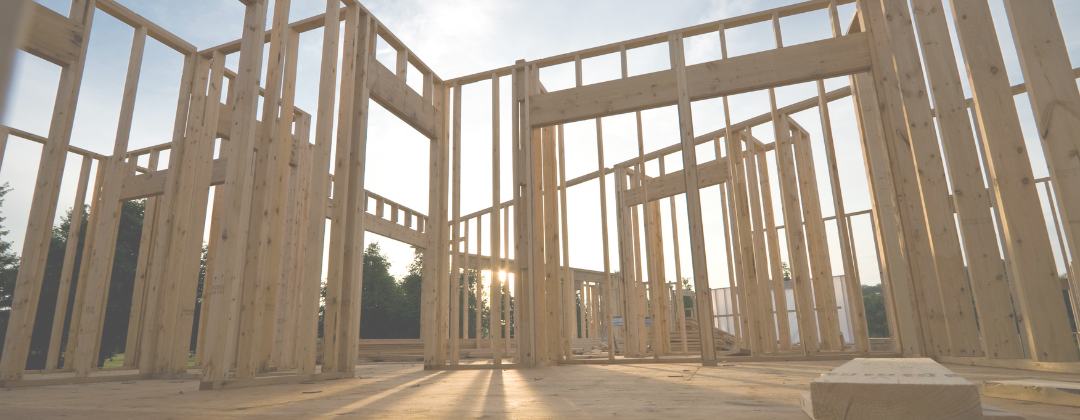
There’s a new hotel being built right next to where I now live in downtown Roswell, GA. It’s fun to watch it go up! I’m impressed by how organized and meticulous the construction process is. There’s a significant amount of support and infrastructure that’s being put in place before the scaffolding is set up for the next level of the building. That structural support is critical not only to ensure the long-term integrity of the building, but to allow the crew to construct each level at a time.
That is what many organizations miss during significant change. They treat employee wellbeing as something to restore once the dust settles, like a reward for enduring the transition or a priority to revisit when things calm down. Without realizing it, they pull out the supports while the building is still going up.
The evidence is hard to ignore. Recent research suggests that 89% of workers report meaningful organizational change in the past year… from new technologies and shifting roles to restructuring and evolving policies. Change, as they say, is the new normal. And that reality requires leaders to rethink what wellbeing is and where it belongs in the sequence of priorities.
The Infrastructure Frame
Most leaders understand wellbeing as either a nice-to-have when things are going well or a remedy when people are visibly struggling. Both views position wellbeing as a response to conditions rather than a condition for performance.
Infrastructure doesn’t work that way. No one removes a foundation because the tenants are handling the weather well. Infrastructure is load-bearing by definition. It must be in place before the weight arrives.
Organizational wellbeing works the same way. Connection, psychological safety, growth, and work-life balance/integration are the load-bearing elements that help people carry the weight of change without breaking under it. When those supports are absent, leaders weaken the organization’s ability to execute it.
What Leaders Miss When They Wait
There is seductive logic to deferring wellbeing during change. I’ve definitely been there, working with my team 10-12 hours a day, 6-7 days a week, to get a product delivered on time. I told myself we would return to the ‘people’ side of the equation once the project is complete.
But the cost of that compounds daily. Trust, once eroded, does not return automatically when the change is complete. Burnout doesn’t wait for a convenient moment. And employees with the most options, often the ones leaders can least afford to lose, are frequently the first to act.
And, more critically, when wellbeing is absent, our cognitive bandwidth narrows. We become more reactive and less adaptive, spending energy assessing threats instead of solving problems. Underinvesting in wellbeing during change creates slower, less resourceful people.
The Leader’s Own Foundation
Leaders are not exempt from the physics of change.
Executive culture has long promoted a certain stoicism during turbulent times: the leader is the steady presence, the calm in the storm. There is real value in steadiness, but stoicism becomes destructive when leaders deny themselves the same foundations they are trying to build for others: reflection, recovery, and support.
Leadership during change is extended performance under load, not a sprint. Even the best infrastructure fails under sustained pressure without maintenance. Leaders who do not protect their own wellbeing become less capable of what their organizations need most: clear judgment, emotional regulation, confidence-building communication, and sound decision-making.
Teams also watch leaders closely during change because behavior signals what is truly valued. A leader who encourages reflection but takes none or asks people to set boundaries while remaining available around the clock, sends a clear message: wellbeing is for other people.
Building the Foundation Before the Load Arrives
Treating wellbeing as infrastructure means making five commitments early:
- Communicate before people have to ask. Uncertainty is corrosive. When people lack information, they create their own, often in the form of worst-case assumptions. Frequent, honest communication, including “we don’t know yet,” keeps people anchored to reality rather than fear.
- Create genuine space for reflection. Real check-ins with team members. Change moves fast; human processing moves slower.
- Reconnect people to meaning. When roles, processes, and structures shift, people can lose the thread of why their work matters. Leaders who reinforce the connection between individual contribution and organizational purpose help preserve engagement.
- Normalize learning from failure. Change requires experimentation, and experimentation includes missteps. Leaders who punish mistakes during transformation make people more conservative precisely when they need to be adaptive.
- Support the basics, without apology. Boundaries and rest are basic human needs. You cannot run a system beyond its design capacity indefinitely and expect it to perform when it matters most.
What Gets Built When the Foundation Holds
The organizations that come through change strongest are the ones that treat wellbeing as a precondition and protect it, not the ones that push hardest and restore wellbeing later.
The outcomes are human and organizational: lower burnout, higher trust, stronger engagement and retention, healthier culture, greater adaptability, better performance, and more sustainable change. This is load-bearing infrastructure doing what it was designed to do.
As we all know, change is not going to slow down (hello, AI!). The question for leaders is whether they are building a foundation capable of bearing it.
Thanks,